2026 Top Solar Security Cameras Buyers Guide and Trends?
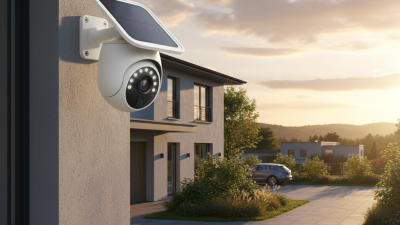
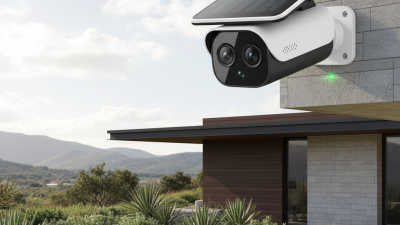
In recent years, Solar Security Cameras have gained significant attention in the realm of home and business security. These cameras offer a sustainable solution to monitoring, utilizing solar energy for efficient operation. Their independent power source reduces reliance on traditional wiring and electricity, making them an appealing choice for many.
As we approach 2026, understanding the latest trends and advancements in Solar Security Cameras becomes crucial. Innovative features, such as enhanced image quality and smart connectivity, shape user preferences. However, buyers often face challenges in navigating a crowded market filled with various brands and models. It is important to recognize common missteps, such as overlooking installation requirements or underestimating maintenance needs.
Staying informed about Solar Security Cameras is essential for making wise purchasing decisions. With potential benefits such as cost savings and environmental impact, these cameras represent an emerging trend. Yet, care must be taken to choose a reliable product that meets specific security needs. This guide aims to equip buyers with the necessary insights to make informed choices in this evolving market.
2026 Solar Security Cameras: An Overview of Key Features
In 2026, solar security cameras are evolving rapidly. Key features such as advanced motion detection and high-definition video playback are gaining traction. A report from the Security Industry Association indicates that over 75% of consumers prefer cameras with cloud storage capabilities. This is due to the need for remote access and easy video retrieval.
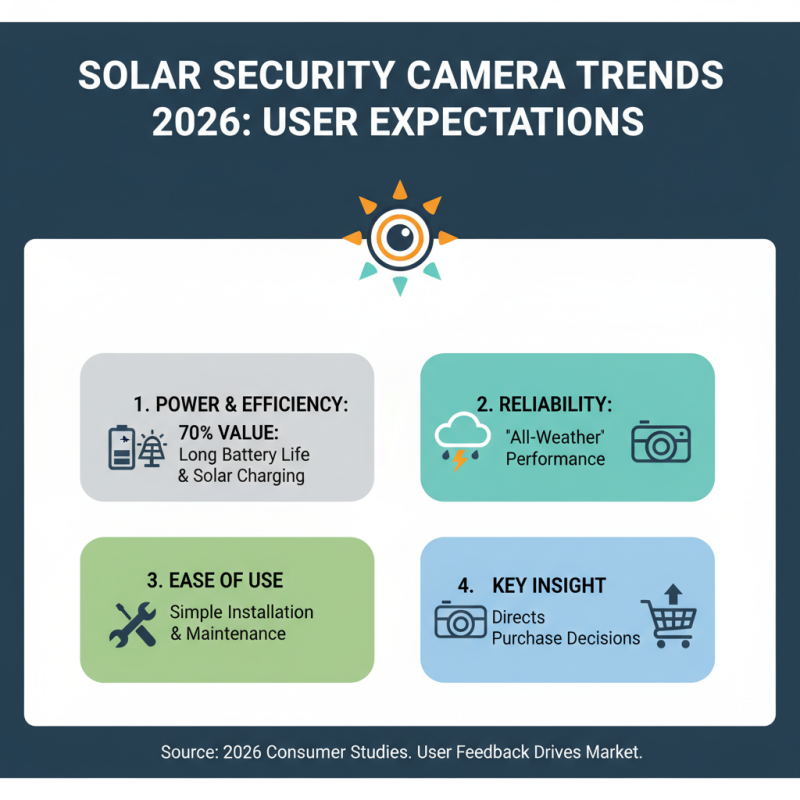
Moreover, battery life is a crucial consideration in 2026. Many users seek cameras that can operate for extended periods without sunlight. Interestingly, a study by Frost & Sullivan shows that up to 60% of users report dissatisfaction with their camera's battery performance. This dissatisfaction highlights an area for improvement in solar technology.
Integration with smart home systems is another trend. Households increasingly desire seamless connectivity. According to research from MarketsandMarkets, smart surveillance products are projected to grow by over 20% annually. This growth underscores the importance of user-friendly features and compatibility in solar security technology, ensuring that owners can utilize their systems effectively across various platforms.
Latest Trends in Solar Security Camera Technology for 2026
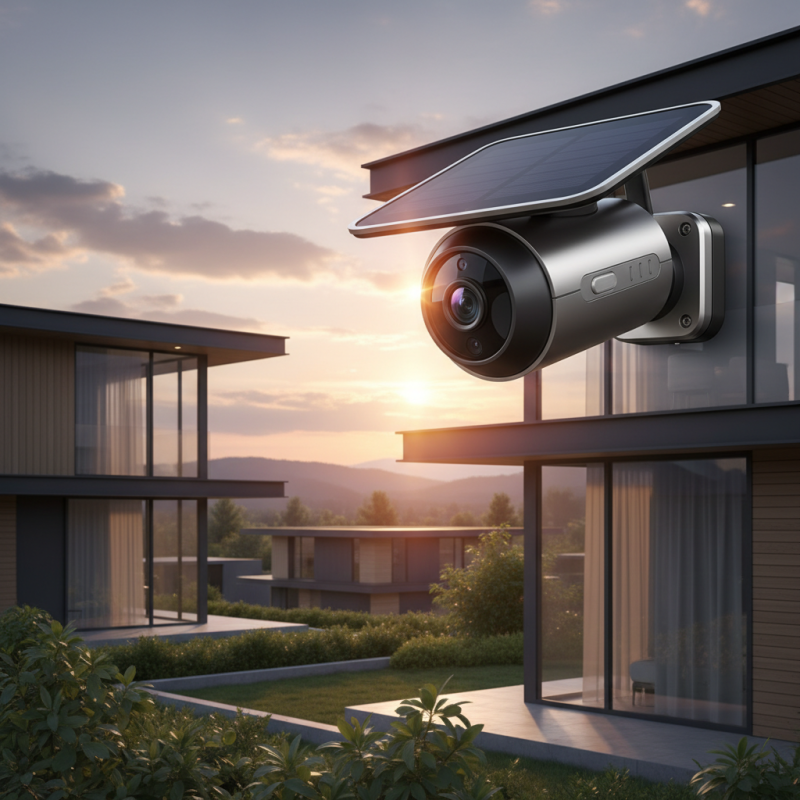
As we approach 2026, solar security cameras are becoming more sophisticated. Innovations in solar technology drive efficiency and versatility, allowing these cameras to operate in various environments. Many models now feature adaptive solar panels, which can adjust their angle to capture maximum sunlight throughout the day. This ensures energy sustainability, especially in remote areas where electricity might be inconsistent.
Another notable trend is the integration of AI and machine learning capabilities. Many solar cameras now use advanced algorithms to differentiate between normal activity and potential threats. This reduces false alerts and enhances monitoring effectiveness. Additionally, these systems often offer real-time notifications, enhancing security for users. High-definition video quality continues to improve, providing clearer images for identification purposes.
Despite these advancements, there are still challenges to consider. Battery life can vary significantly based on location and usage. Some users report issues with solar panels becoming dirty, affecting their efficiency. Regular maintenance is essential to ensure optimal performance. As technology progresses, striking a balance between innovation and reliability will remain critical for consumers.
2026 Top Solar Security Cameras Buyers Guide and Trends
| Feature |
Description |
Current Trend |
Market Growth (%) |
| Video Quality |
High-definition (HD) video at 1080p resolution and above. |
Increased demand for clarity and detail. |
25% |
| Battery Life |
Improved battery efficiency and longer life, averaging 4-6 months. |
Focus on sustainability and reduced maintenance. |
30% |
| Connectivity |
Integration with smart home systems and 4G/5G compatibility. |
Rise in connected devices and remote access. |
20% |
| Storage Options |
Cloud storage and local storage capabilities. |
Shift towards cloud solutions for enhanced security. |
15% |
| Night Vision |
Advanced infrared and color night vision capabilities. |
Growing demand for monitoring in low-light conditions. |
18% |
| Smart Features |
Facial recognition, motion detection, and alerts. |
Increased innovation in AI and analytics. |
22% |
Top Brands and Models of Solar Security Cameras to Consider
When considering solar security cameras, it's essential to explore the leading brands and models available in 2026. The growing demand for sustainable technology has driven innovations in this area. Solar-powered cameras offer an eco-friendly solution, providing continuous monitoring without relying on traditional power sources. Over 40% of consumers now prioritize energy-efficient options when selecting security devices, according to recent industry reports.
Notable contenders in this market include cameras that feature high-resolution video capabilities, night vision, and real-time alerts. Many models are equipped with cloud storage, ensuring footage is safe and accessible. Reports indicate that devices with AI technology have seen a surge. These cameras can differentiate between people and animals, significantly reducing false alarms. The user-friendly interface also enhances consumer experience.
However, challenges remain. Some users report connectivity issues, especially in remote areas. Battery performance can degrade in winter months, limiting effectiveness. These factors should prompt careful consideration when selecting a model. As the solar security camera market evolves, understanding these trends is vital for making informed decisions.
Factors to Evaluate When Buying Solar Security Cameras
When considering solar security cameras, a few critical factors demand attention. Battery life stands out as a vital element. A report from the Journal of Solar Energy indicates that most solar cameras can run continuously for up to 12 hours with full sunlight charging. However, performance may drop in areas with limited sun exposure. Assessing battery longevity in various weather conditions is essential.
Another important consideration is camera resolution. High-definition capabilities, preferably 1080p or higher, ensure clear imagery. The Security Industry Association states that 80% of users prioritize image quality for monitoring. Clear images aid in identifying faces or details in security events, increasing reliability. Furthermore, the field of view varies among models. A wider field can cover more area, reducing blind spots.
Installation ease forms a further point of evaluation. Many models boast simple mounting processes, requiring no professional help. However, some systems demand technical skills for optimal performance. Inconsistent experiences with installation can lead to frustration. Assessing user reviews can provide insight into potential challenges. Overall, a focused evaluation of these factors can lead to informed decisions in selecting the right solar security camera.