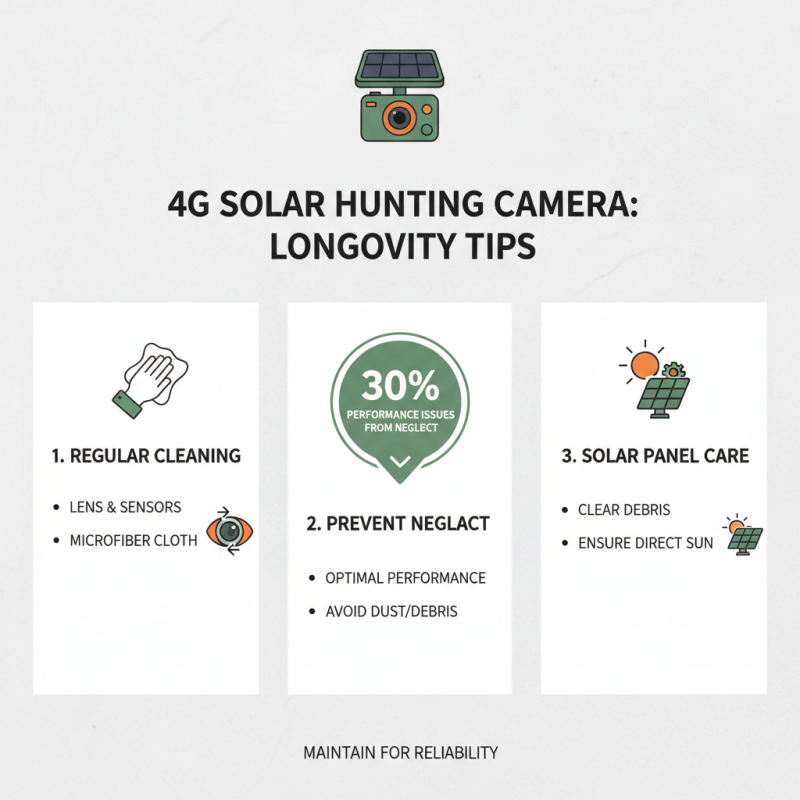
How to Choose the Best 4G Solar Hunting Camera for Your Needs?
When it comes to selecting the right Hunting Camera 4G Solar, expert opinions are invaluable. John Matthews, a renowned wildlife photographer and outdoor technology specialist, once said, "A camera's features must match the conditions you will encounter." This wisdom holds true for many in the field.
Choosing the correct Hunting Camera 4G Solar involves understanding specific needs. Are you tracking game in dense forests or open fields? Each environment presents unique challenges. Factors like battery life, image quality, and ease of use must be considered.
Many users overlook the importance of connectivity. Without a strong cellular signal, your camera may fall short. This is a reminder that technology doesn’t always meet our expectations. Investing time in research can prevent disappointment down the line. The right choice can greatly enhance your hunting experience, ensuring you capture every moment effectively.
Understanding the Importance of 4G Solar Hunting Cameras
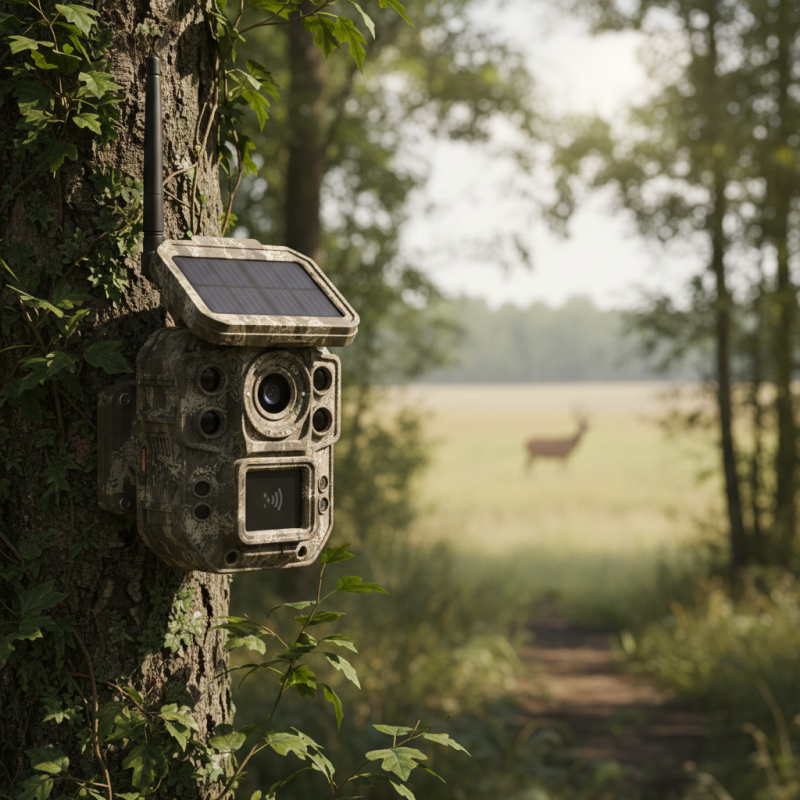
4G solar hunting cameras serve an essential role for outdoor enthusiasts. These devices combine solar power with cellular technology, offering the convenience of remote monitoring without frequent battery changes. According to recent industry reports, over 65% of hunters use trail cameras to track wildlife. The effectiveness of these cameras lies in their ability to transmit real-time images via 4G networks, allowing for instant updates. This connectivity can significantly enhance the hunting experience.
The solar aspect of these cameras is noteworthy. Solar-powered units can operate continuously in various conditions. They are designed to be autonomous, reducing the need for frequent maintenance. In fact, studies indicate that models using solar technology can last up to three times longer than traditional battery-operated cameras. However, the efficiency of solar-powered devices can be influenced by weather conditions and placement. Users should consider these factors when selecting a camera.
While the benefits are clear, challenges remain. A camera might not capture every moment perfectly. False triggers and missed opportunities can happen frequently. It’s essential to position the camera wisely and test its functionality before relying on it extensively. This ensures you make the most of its capabilities while acknowledging its limitations. Ultimately, investing in the right 4G solar hunting camera can enhance your understanding of wildlife behavior.
4G Solar Hunting Cameras Features Comparison
Key Features to Consider When Choosing a Solar Hunting Camera
When choosing a solar hunting camera, consider the power source first. Look for models that utilize efficient solar panels. A reliable solar panel extends the camera’s operational time. The ability to run on solar power reduces the need for frequent battery changes. This is a crucial feature for remote locations.
Next, think about the camera's resolution and image quality. A high-resolution camera captures clearer images. This is essential for identifying animals and monitoring their behavior. If the camera has low resolution, the details can be lost. You may end up with grainy pictures that do not provide useful information.
Let’s not forget the durability aspect. A good hunting camera is waterproof and weather-resistant. This ensures it can withstand harsh conditions. Look for models that are sturdy and reliable in various temperatures. Remember, even a small design flaw can lead to malfunction. So, thorough research on user reviews is important. Pay attention to the experiences shared by other users.
How to Choose the Best 4G Solar Hunting Camera for Your Needs?
| Feature |
Description |
Importance |
| Resolution |
High resolution (12 MP or more) for clear images. |
High |
| Battery Life |
Long-lasting solar battery to reduce maintenance. |
High |
| Night Vision |
Infrared capabilities for night-time capture. |
Medium |
| Wireless Connectivity |
4G capability for instant image transfer. |
High |
| Durability |
Weatherproof and rugged design for outdoor use. |
High |
| Storage |
Supports large SD cards for video and photo storage. |
Medium |
| Field of View |
Wide angle for better coverage of the area. |
Medium |
Comparing Different Models: Price, Quality, and Performance
When selecting a 4G solar hunting camera, comparisons of different models are crucial. Look closely at
price ranges, as they can vary widely. A lower price might suggest fewer features or lower durability.
Consider what you truly need. Sometimes, spending more brings long-term benefits. Take your time analyzing specs like
resolution,
battery life, and connectivity.
Quality is vital in your choice. Check user reviews for insights on performance in real-world scenarios.
Some cameras excel in day functionality but falter at night. Look for consistent footage and reliable motion detection.
Performance can sometimes be affected by environmental factors like weather or location. Test various models under different conditions when possible.
It’s also important to evaluate customer support and warranty options. A solid warranty can indicate manufacturer confidence.
However, even top brands may have inconsistencies in service. Be cautious if you encounter issues. Make informed decisions by researching multiple sources.
Remember that no model will be perfect, so weigh your priorities before buying.
Evaluating Battery Life and Solar Efficiency for Extended Use
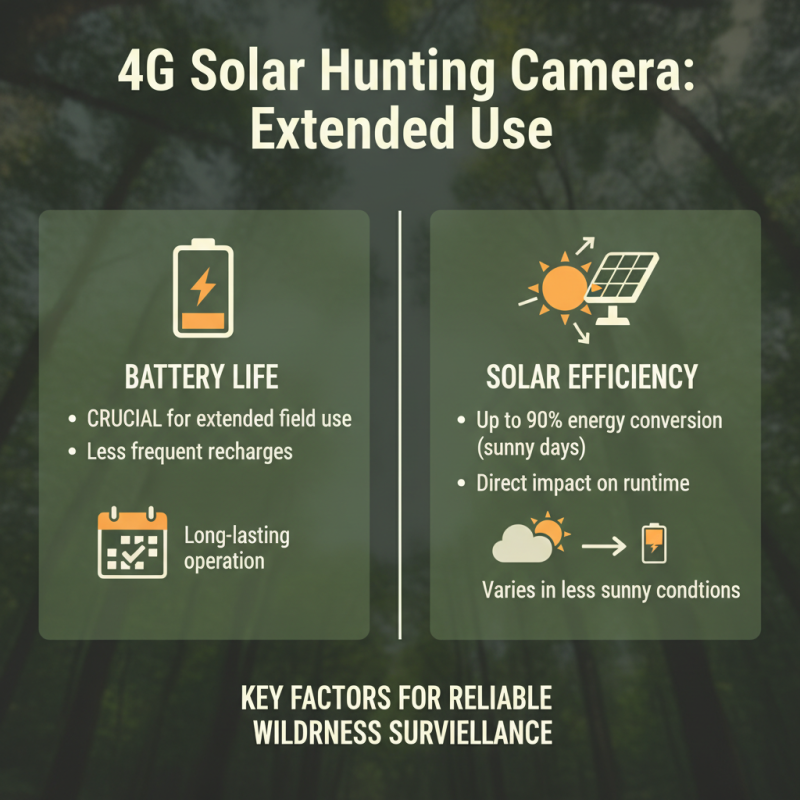
When selecting a 4G solar hunting camera, battery life and solar efficiency are crucial. A reliable camera should last through extended periods without needing frequent recharges. Reports indicate that high-quality solar cameras can achieve up to 90% efficiency in energy conversion on sunny days. This efficiency directly impacts how long the camera can operate in the wild. Many models show significant variation in performance, especially in less sunny conditions.
The average battery life for these cameras ranges from several weeks to months. However, harsh weather and low sunlight can severely reduce performance. For example, a study shows that in cloudy environments, some models only operate efficiently for two weeks. It's essential to gauge expected usage conditions before making a decision. Look for models with larger solar panels as they can store more energy.
Remember, not all solar panels are created equal. Some may have a rapid depletion of energy under certain conditions. Monitoring power consumption and charging rates in actual field tests can provide better insights. Users should consider these aspects carefully, as the wrong choice can lead to missed opportunities in critical moments. Without thorough evaluation, you might end up disappointed by inadequate performance when you need it most.