Top Tips for Choosing the Right Solar People Counting Camera?
Choosing the right Solar People Counting Camera is crucial for optimizing energy management and understanding foot traffic. The market for such technology is expected to grow significantly. According to a report by Grand View Research, the demand for energy-efficient solutions will increase by 14% annually over the next five years. This highlights the urgency for businesses to select the best devices.
Experts emphasize the importance of quality in this field. Dr. Emily Zhang, a leading researcher in smart technologies, stated, "Selecting a reliable Solar People Counting Camera can change how we monitor space usage." Her insights reflect the growing need for precision and reliability in data collection.
The complexity of choosing the right camera lies in various factors. Features vary widely, and not all models meet the required standards. Businesses may face overwhelming choices without clear guidance. An informed decision involves assessing camera sensitivity, installation location, and integration with existing systems. These considerations can profoundly impact the effectiveness of energy strategies. Hence, understanding the nuances of Solar People Counting Cameras is essential for making a sound investment.
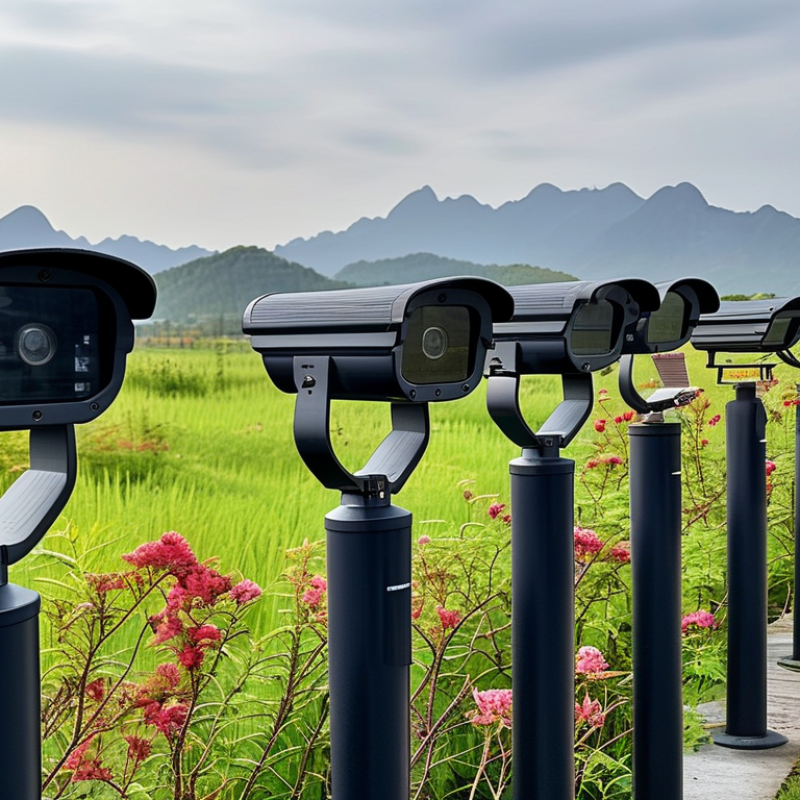
Understanding Solar People Counting Cameras: Key Features and Functions
Understanding Solar People Counting Cameras: Key Features and Functions
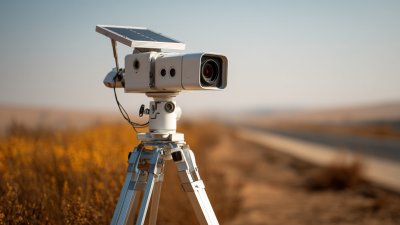
Solar people counting cameras are innovative tools that help organizations track foot traffic efficiently. These cameras utilize solar power, making them environmentally friendly and cost-effective. According to a recent report, organizations can save up to 40% on energy costs by using solar-powered technology. They offer various features, such as high-resolution imaging, advanced analytics, and real-time data reporting.
When choosing a solar people counting camera, consider the camera's field of view. A wide field of view allows for better coverage of large areas. Check the camera's resolution as well; higher resolution provides clearer images. Additionally, ensure the device has a solid data analytics platform. This platform should generate reports on foot traffic trends, helping in strategic decision-making.
Consider placement for optimal performance. The camera should be positioned to avoid obstructions and ensure accurate counting. Weather resistance is another critical feature. Most cameras should withstand different environmental conditions. Research indicates that accurate data collection can enhance marketing strategies by up to 25%. Selecting the right camera can profoundly impact business insights.
Evaluating Camera Accuracy: Percentage Error Rates in People Counting
When evaluating the accuracy of solar people counting cameras, the percentage error rates are crucial. Industry reports reveal that many cameras boast 90% or higher accuracy in counting. However, real-world conditions can affect performance. For instance, lighting variations and crowd density often introduce errors. A study by a leading analytics firm showed that cameras in brightly lit environments achieved only 80% accuracy.
Obtaining reliable data starts with understanding these limitations. If possible, test the camera in environments similar to your intended use. A camera may perform well in ideal conditions but falter in more complex situations. Look for models that offer adjustable settings to help optimize accuracy.
Consider the installation location carefully. Obstructions like signage or furniture can mislead detection algorithms. Cameras positioned at the right angle greatly enhance accuracy. According to a report from a reputable source, top-performing cameras demonstrated less than 5% error in controlled environments. Remember, consistent monitoring of data can help you identify and adjust for ongoing inaccuracies.
Environmental Considerations: Solar Efficiency and Weather Resistance
When selecting a solar-powered people counting camera, environmental considerations take center stage. Solar efficiency is crucial. According to a 2022 industry report, high-efficiency solar panels convert sunlight into energy at rates over 20%. This efficiency ensures the camera can function during varying conditions. Look for models that boast superior solar cell performance. Weather resistance is equally important. Cameras must withstand rain, snow, and extreme temperatures. A report from the Solar Energy Industries Association indicates that devices with IP65 ratings are ideal for outdoor use.
The installation location significantly impacts performance. Direct sunlight boosts energy capture. Shade can diminish efficiency, causing interruptions. It’s worth noting that seasonal variations affect solar output. For example, winter months may decrease energy generation by up to 50%. Flexible locations may be necessary for optimal results.
Not all regions provide the same solar energy availability. Areas with low sunlight may face challenges. This requires thoughtful design and strategic placement of cameras. Ongoing maintenance should also be considered to ensure functionality. Regular cleanings keep panels efficient. Reflecting on these aspects will bolster the longevity and performance of the camera system.
Comparing Installation Costs vs. Long-term Energy Savings of Solar Cameras
When choosing solar people counting cameras, installation costs can vary significantly. These cameras often require a solar panel system, and initial costs can be substantial. However, the long-term savings in energy bills can offset these initial expenses over time. Considering local climate and sunlight hours is crucial. Areas with abundant sunlight may realize greater energy savings than those with frequent cloudy days.
Tips for reducing installation costs include comparing quotes from multiple installers. Researching local incentives for solar energy can also lead to substantial savings. Additionally, consider cameras with built-in solar features, which streamline the setup process.
While the potential for energy savings is appealing, the durability of these cameras should not be overlooked. Some units may require more maintenance than others. Choosing a camera with a solid warranty can provide peace of mind. Avoiding overly complex systems may simplify both installation and monitoring. Assessing your unique needs is vital for making the best choice. Balancing cost and value is key to ensure your investment pays off over time.
Top Tips for Choosing the Right Solar People Counting Camera
| Camera Model |
Installation Cost ($) |
Average Lifespan (Years) |
Annual Energy Savings ($) |
Total Savings Over Lifespan ($) |
| Model A |
1500 |
10 |
300 |
3000 |
| Model B |
2000 |
8 |
350 |
2800 |
| Model C |
1800 |
9 |
400 |
3600 |
Best Practices for Data Management and Analytics in People Counting Systems
When integrating people counting systems, effective data management is crucial. Begin by ensuring data accuracy. Regularly calibrate your cameras to minimize errors. An inaccurate count can lead to flawed insights that affect your business decisions. Transparency in your analytics process is also vital. Make modifications based on clear metrics, and allow for human oversight.
Consider privacy when handling collected data. Anonymize sensitive information to enhance trust among your customers. This practice not only meets regulatory expectations but also promotes a positive image. Regular audits of your data management practices can uncover weaknesses and opportunities for improvement. Use these findings to refine your approach continuously.
Engage with your team about data interpretation. Different perspectives can lead to richer insights. Feedback loops are essential for growth. Staying adaptable is key, as strategies should evolve with changing environments. Deepening your understanding of data will allow you to leverage it more effectively in decision-making. Being open to reflection will help you avoid potential forecasting errors in your traffic analysis.