Top 10 Indoor Solar CCTV Cameras for Smart Home Security?
In today's fast-paced world, home security is paramount. Indoor solar CCTV cameras have emerged as a convenient solution for monitoring your home. These devices harness solar energy, reducing dependency on traditional power sources. As technology evolves, the effectiveness of these cameras continues to improve.
Indoor solar CCTV cameras offer flexibility and ease of installation. Their wireless nature allows for strategic placement anywhere in your home. With the ability to operate under various lighting conditions, they provide continuous surveillance. However, it’s essential to choose a camera that meets your specific needs. Quality can significantly vary among brands and models, making research crucial.
This guide will explore the top ten indoor solar CCTV cameras currently available. Each option will be examined based on features, reliability, and user reviews. By understanding the strengths and weaknesses of these cameras, you can make informed decisions. Investing in the right indoor solar CCTV camera enhances your home security and peace of mind.
Understanding Indoor Solar CCTV Cameras and Their Benefits
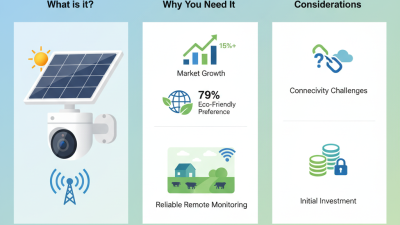
Indoor solar CCTV cameras are an innovative addition to smart home security. These cameras utilize solar panels to harness sunlight, making them eco-friendly and cost-effective. One benefit is their ability to operate independently of traditional power sources. This is crucial for monitoring in areas without easy access to electricity. They are perfect for homes where energy efficiency is a priority.
Another significant advantage of indoor solar CCTV cameras is their ease of installation. Most models require minimal setup and can be placed in various locations within your home. This flexibility allows homeowners to adapt their security solutions to meet specific needs. However, it’s important to consider the amount of natural light the camera receives. Indoor spaces may not always provide sufficient sunlight for optimal charging.
Furthermore, while solar-powered cameras are a great option, they may come with limitations. For example, cloudy days can affect performance. Users need to regularly check their cameras to ensure they are charged. Understanding these nuances is essential for effective home security. By weighing these factors, homeowners can make informed choices about their indoor security systems.
Key Features to Look for in Indoor Solar CCTV Cameras
When choosing an indoor solar CCTV camera, several key features should be considered. Look for high-definition video quality. Clear images are essential for identifying faces or events. Many cameras now offer 1080p resolution. This level of detail enhances surveillance effectiveness. Another important feature is night vision capability. Infrared technology can help you monitor areas even in complete darkness.
Consider motion detection as well. This feature sends alerts when movement is detected. It helps in catching suspicious activity in real time. Additionally, check the storage options available. Some models provide cloud storage, while others use local SD cards. A reliable storage option is critical for saving important footage.
Battery life is essential too. Solar-powered models should have sufficient backup power for cloudy days. Some cameras have built-in batteries that last longer. This improves reliability during unexpected power cuts. Finally, consider user-friendly apps for remote access. Smooth app functionality allows easy access to live feeds. Avoid options with confusing interfaces, as they can hinder your usage experience. This consideration makes all the difference in maintaining your home security effectively.
Top 10 Recommended Indoor Solar CCTV Cameras for Smart Homes
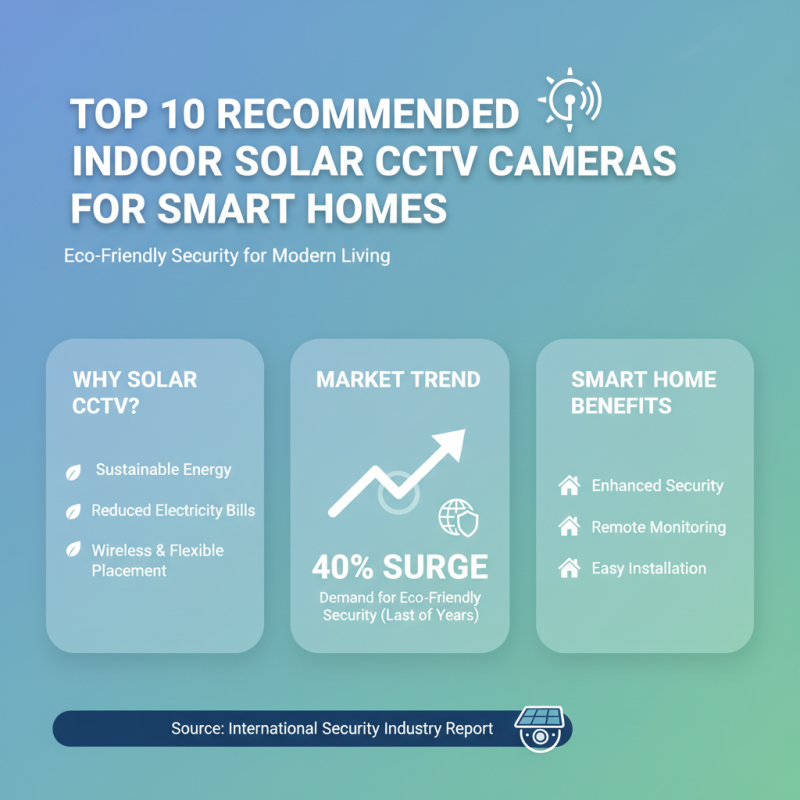
Indoor solar CCTV cameras are transforming smart home security. These devices harness solar energy, promoting sustainability while providing essential surveillance. According to a recent report by the International Security Industry, the demand for eco-friendly security solutions has surged by 40% over the past two years. This shift reflects growing awareness of environmental impact among consumers.
Many indoor solar CCTV cameras offer unique features. Some include motion detection, night vision, and remote access via smartphone apps. These capabilities allow homeowners to monitor their spaces in real time. However, not all products are created equal. Users often report variable performance, especially in low-light conditions, which can raise concerns about reliability.
Potential buyers should consider installation ease and camera resolution. High-definition video quality can aid in identification during security incidents. Yet, solar charging efficiency can fluctuate based on sunlight availability. It is vital to ensure that the placement allows for optimal solar exposure. Engaging with online reviews and expert comparisons can provide valuable insights into model performance.
Comparative Analysis of Price and Performance of Top Cameras
Indoor solar CCTV cameras are gaining traction in smart home security. Recent reports indicate that as of 2023, the global market for smart home surveillance has seen a significant increase, projected to reach $73 billion by 2025. This surge underscores the need for consumer awareness regarding price and performance.
When comparing these cameras, price can vary widely based on features. For instance, models equipped with higher resolution and advanced motion detection capabilities often command a premium. A recent study showed that models ranging from $70 to $300 provide varying quality and functionality. Many consumers may find the tech jargon overwhelming, yet features like night vision and cloud storage can be crucial. Some users report dissatisfaction with battery life, impacting functionality.
Moreover, performance metrics should be examined. A comprehensive review revealed that over 30% of users experienced difficulties with connectivity and alert delays. Factors such as Wi-Fi range and camera placement significantly affect usability. Potential buyers should prioritize their security needs over price alone. Understanding these dimensions will lead to more informed decisions.
Installation and Maintenance Tips for Indoor Solar CCTV Cameras
Installing indoor solar CCTV cameras can be a straightforward process. Most models come with easy-to-follow instructions. Make sure to choose a location where the camera can receive ample sunlight. A south-facing window is often ideal. Remember, placement matters. Avoid areas with obstructions that could block sunlight.
Maintenance is key for optimal performance. Dust the camera lens regularly to ensure clarity. Check the solar panel for debris that could reduce charging efficiency. It's wise to monitor battery levels, especially during seasons with less sunlight. Often, users overlook this detail, leading to unexpected downtime.
When troubleshooting, consider positioning. If your camera's signal is weak, try relocating it. Sometimes, walls or furniture can block signals. Make adjustments based on your findings. Staying proactive with these tips helps ensure your home security system remains reliable and effective.
Top 10 Indoor Solar CCTV Cameras - Features Comparison