How to Choose the Best 4G Solar Hunting Camera?
Choosing the best Hunting Camera 4G Solar involves understanding several key factors. These cameras are essential for wildlife monitoring and security purposes. It's important to find a model that suits your specific needs.
Quality and durability should be your top priorities. Look for cameras with strong weatherproof features. Consider the resolution and battery life, as these impact image clarity and longevity. Some models may promise advanced features but fall short in real-world use. Reviews and expert opinions can guide your decision-making process effectively.
Remember, the perfect Hunting Camera 4G Solar for you might not be the most expensive one. Functionality and ease of use hold more significance. Reflect on what features you truly need. A camera should enhance your experience, not complicate it. Think critically before making a purchase; it can save time and resources.
Understanding the Features of 4G Solar Hunting Cameras
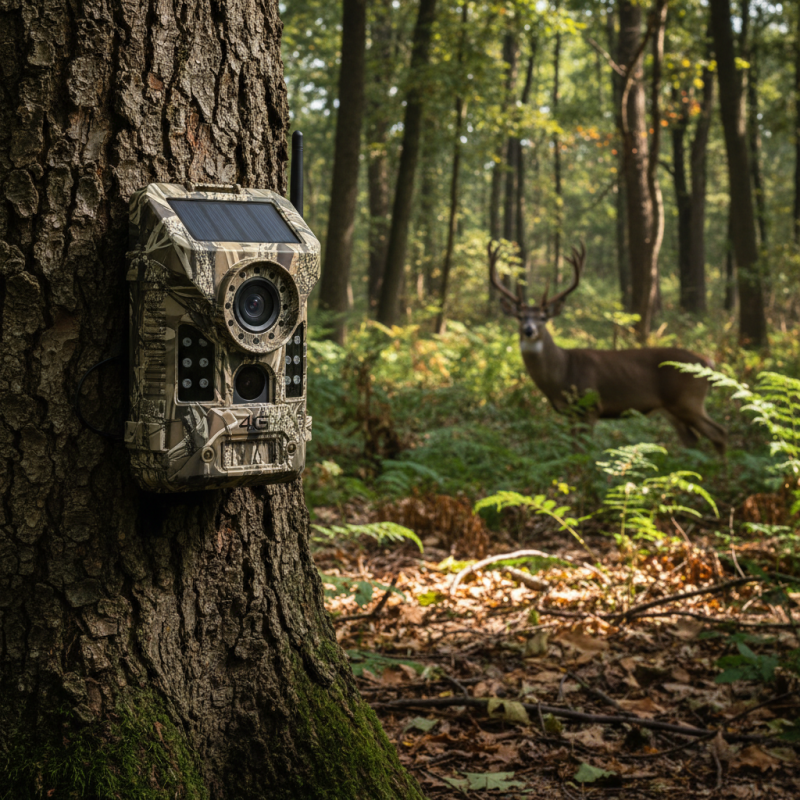
When selecting a 4G solar hunting camera, understanding its features is essential for an informed choice. These cameras are designed for outdoor environments, which means durability is crucial. Look for options that offer weatherproof casing and robust mounts. Additionally, a camera with a strong battery life is beneficial for extended periods without direct sunlight. A reliable power source is key for consistent operation in remote areas.
Image quality is another critical feature. High-resolution images can help identify wildlife accurately. Check for cameras that support night vision or infrared capabilities. These features enhance visibility in low-light conditions. Some cameras also have motion detection, which triggers the camera only when activity is sensed, conserving battery life. This is important in conserving energy for optimal performance.
Connectivity should not be overlooked. A reliable 4G connection allows for real-time data transmission. This feature lets hunters receive instant notifications, making it easier to monitor wildlife movements. However, not all areas have consistent 4G coverage, which can impact functionality. Remember, a high-quality camera often comes with a higher price tag. It's necessary to balance your budget with the features that are most important for your needs. Always consider your specific hunting needs to find the right camera for you.
How to Choose the Best 4G Solar Hunting Camera? - Understanding the Features of 4G Solar Hunting Cameras
| Feature |
Description |
Importance |
| Image Quality |
Resolution typically ranging from 12MP to 30MP allows for detailed images. |
High |
| Video Capability |
Some cameras offer video recording in HD with sound. |
Medium |
| Battery Life |
Solar-powered cameras can last for months without needing a recharge. |
High |
| Detection Range |
Detection distances typically range from 20ft to 80ft. |
Medium |
| Network Compatibility |
4G compatibility ensures good connectivity in remote areas. |
High |
| Storage Capacity |
Support for SD cards can vary; some models allow up to 128GB. |
Medium |
| Weather Resistance |
Most cameras designed for outdoor use are weatherproof. |
High |
| App Integration |
Some cameras offer mobile apps for easy monitoring and controlling. |
Medium |
Evaluating Image Quality and Resolution for Wildlife Monitoring
When choosing a 4G solar hunting camera, image quality and resolution are crucial for wildlife monitoring. High-resolution images provide clear details of animals in their natural habitats. Cameras with at least 12 MP resolution capture more vivid colors and sharp features. According to industry reports, cameras with higher resolutions significantly improve identification accuracy, essential for researchers.
Light sensitivity also plays a vital role. Cameras that perform well in low-light conditions ensure you don’t miss nocturnal activity. In a study, researchers found that 70% of wildlife activity occurs at dawn or dusk. This highlights the need for cameras with good infrared capabilities to capture nocturnal wildlife effectively.
Tips: Look for cameras with adjustable settings for resolution and sensitivity. This allows you to tailor the camera to your specific observation needs. Regularly check and maintain your camera to ensure optimal performance.
Don't overlook user-friendly design features, such as easy navigation through settings. A complex interface can lead to missed opportunities in wildlife observation. Be mindful of battery life; cameras with optimized energy consumption will prolong monitoring time.
Assessing Battery Life and Solar Charging Efficiency
When selecting a 4G solar hunting camera, battery life and solar charging efficiency are crucial factors. Research shows that cameras with superior solar panels can reach charging efficiencies of up to 80%, significantly extending their operational periods in the field. A well-designed solar hunting camera can rely solely on solar energy for months, even in overcast conditions.
According to a study published by the Outdoor Technology Association, sustainable power sources greatly influence camera performance, impacting both durability and functionality.
It's essential to consider the battery technology used in these cameras. Lithium-ion batteries typically offer longer life cycles and better performance in varying temperatures compared to traditional ones. However, some cameras may struggle with battery depletion due to suboptimal solar charging. Inadequate exposure to sunlight can reduce the camera's reliability. Some users have reported issues where cameras fail after just a few weeks of operation due to insufficient charging. Evaluating user testimonials can help paint a more vivid picture of each option's real-world performance.
Solar hunting cameras also need adequate positioning for optimal sunlight exposure. A perfect location can enhance battery efficiency significantly. Many users overlook this detail, leading to compromised camera function. Remember to survey your environment carefully to maximize energy collection. This pragmatic approach ultimately affects how well the camera performs in the field.
Comparing Connectivity Options and Data Plans for 4G Cameras
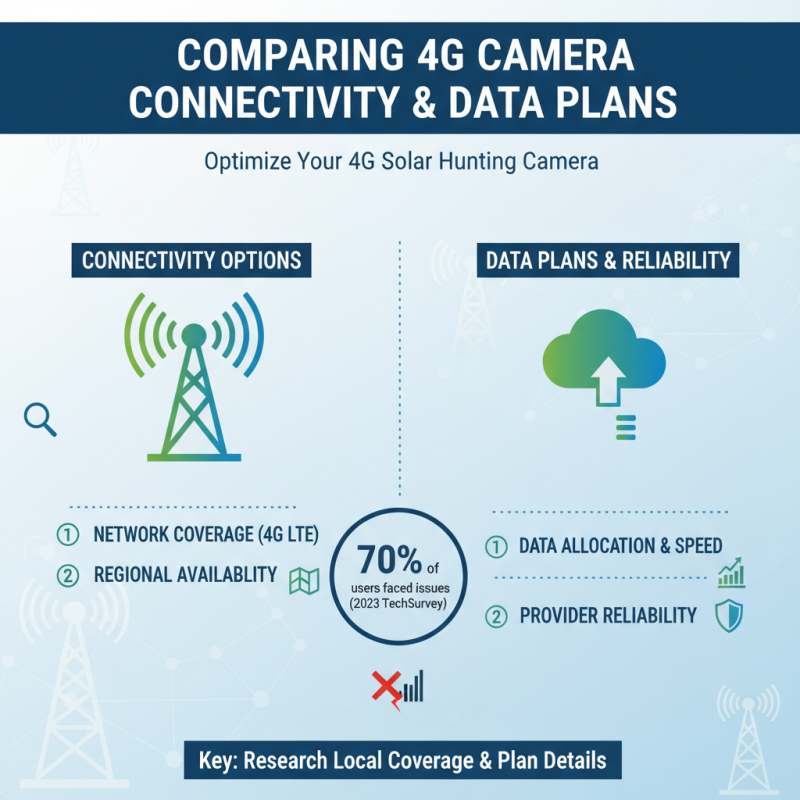
When selecting a 4G solar hunting camera, connectivity options and data plans play a crucial role. A 2023 report by TechSurvey indicated that over 70% of users reported connectivity issues due to poor data plans. Hence, evaluating the network coverage in your area is vital. The availability of 4G LTE networks varies significantly across regions, influencing your camera's performance and reliability.
Choose a camera compatible with multiple network carriers. This flexibility ensures better coverage and signal strength. Pay attention to the data plans offered. Many providers offer limited data that may fall short during peak usage times. Understanding the average data usage of 4G cameras, usually around 1MB per photo, helps you estimate monthly costs accurately.
Tips: Consider trial periods with various carriers. This allows you to test signal quality before committing to a long-term plan. Regularly review your data needs; they may change with increased camera activity. Stay updated with industry trends, as technology evolves. An informed decision now can save you costs in the long run, making your hunting experience more enjoyable. Investigate how seasonal changes might affect network performance, too.
Considering Build Quality and Weather Resistance for Outdoor Use
When selecting a 4G solar hunting camera, build quality is paramount. Cameras used in the wild must endure rough conditions. They often face rain, snow, and extreme temperatures. A strong and durable casing helps prevent damage from the elements. Look for materials like ABS plastic or aluminum that resist corrosion and impact. These features contribute to the camera's longevity in a challenging environment.
Weather resistance is another critical factor. Many cameras come with IP ratings that indicate their ability to withstand water and dust. An IP rating of 65 or higher is typically suitable for outdoor use. Additionally, check if the camera has protective seals around ports and buttons. These elements ensure the camera remains functional despite harsh climates. Ensuring proper installation can be challenging too; inadequate sealing might lead to failures.
Consider how easy it is to replace batteries or solar panels. Frequent replacements can be a hassle. Maintaining the camera’s function requires diligence; failing to take care of it might lead to missed opportunities. Opting for a model with straightforward maintenance and dependable weather resistance can significantly enhance your experience. Always test it during variable weather conditions before relying on it completely.