What is a Surveillance Camera and How Does It Work?
Surveillance cameras play a crucial role in modern security systems. These devices monitor environments and enhance safety. They capture video footage and help deter criminal activities. The technology behind surveillance cameras has advanced significantly. Today’s models feature high-resolution imaging and smart analytics.
Understanding how a surveillance camera works is essential. It involves more than just recording video. These cameras often connect to networks, allowing real-time monitoring. Users can access live feeds from anywhere via smartphones or computers. However, challenges such as privacy concerns arise. Balancing safety and privacy is a complex issue.
As surveillance camera usage grows, scrutiny increases. Questions about data storage and security often emerge. Individuals and businesses must carefully consider these factors. They need effective measures to protect sensitive information. This dynamic landscape highlights the need for ongoing discussions about ethics and security.
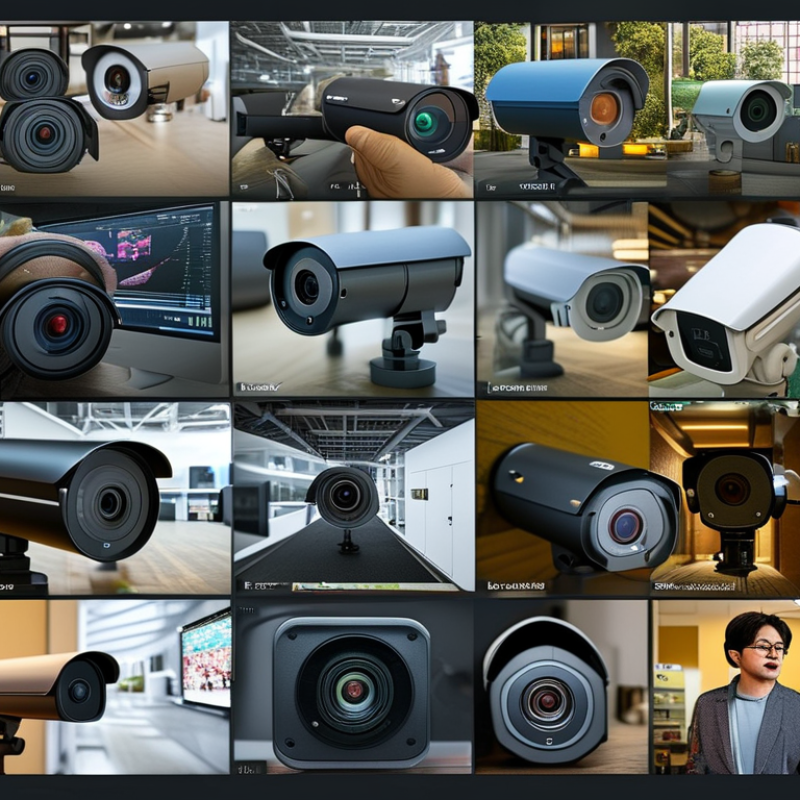
What is a Surveillance Camera?
A surveillance camera is an essential tool used to monitor and record activities in various environments. These cameras come in various types, including analog and digital units, each serving different purposes. According to a report from IHS Markit, the global market for video surveillance equipment is expected to reach over $50 billion by 2024. This growth highlights the increasing reliance on surveillance systems for security.
Surveillance cameras function by capturing video footage of their surroundings, often using motion sensors to activate recording. They are widely utilized in public spaces, businesses, and homes, playing a crucial role in crime prevention. The International Security Industry Organization reports that areas equipped with surveillance cameras experience about a 30% reduction in crime rates. However, their usage raises concerns about privacy and ethical considerations, requiring careful implementation.
While surveillance cameras offer safety benefits, they come with drawbacks. Not every camera guarantees clear footage, especially in low-light conditions. Additionally, some installations may overlook crucial angles, rendering them less effective. This prompts a need for regular assessments and updates to systems. Balancing security and privacy remains a persistent challenge in the industry, compelling users to reflect on best practices for deployment.
Types of Surveillance Cameras and Their Features
Surveillance cameras come in various types, each with unique features designed for specific security needs. The two most common types are analog and digital. Analog cameras provide a simple image capture with less detail but are cost-effective for basic monitoring. Digital cameras, especially IP cameras, offer high-resolution images and allow remote access. Reports indicate that the global surveillance market is expected to exceed $70 billion by 2025, reflecting increased reliance on these systems.
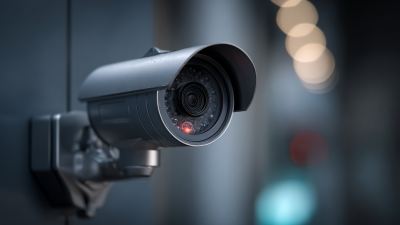
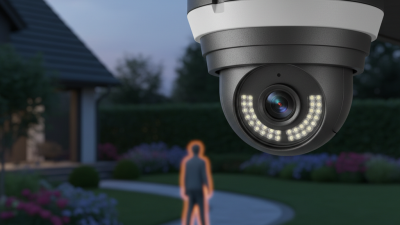
Dome cameras are popular for both indoor and outdoor surveillance. Their discreet design blends with the environment. They are often vandal-proof, making them ideal for public spaces. Bullet cameras, on the other hand, are designed for long-distance monitoring. Their elongated shape typically allows for better zoom capabilities. Meanwhile, PTZ cameras can pan, tilt, and zoom, providing dynamic observation. According to recent surveys, 80% of businesses reported reduced theft after installing surveillance systems.
Tip: When choosing a surveillance camera, consider the area’s lighting and specific security needs. Optimal placement can drastically enhance effectiveness. A common oversight is neglecting to test the camera's field of view before installation.
Not all cameras are suitable for every environment. For instance, indoor cameras don’t perform well in harsh weather. Assessing the right type ensures better functionality. Understanding these details helps in selecting the most effective surveillance solution.
How Surveillance Cameras Capture and Record Footage
Surveillance cameras are essential tools for security and monitoring. They capture footage using electronic sensors. These sensors convert light into electrical signals. The video is then processed and stored for later use. Most cameras use digital technology, which allows for clearer images.
When a camera is activated, it processes the incoming light. It can record video in various resolutions. Higher resolution provides more detail but requires more storage. Some cameras have motion detection features. They only record when they sense movement. This saves space and makes it easier to review the footage.
The recorded footage can be accessed remotely. This is often done through secure networks. However, the reliability of such networks can vary. Users face challenges like technical failures and privacy concerns. It's essential to regularly assess the effectiveness of the surveillance system. Balancing security needs with privacy is crucial.
The Technology Behind Surveillance Camera Operation
Surveillance cameras play a crucial role in enhancing security across various environments. Their operation relies on advanced technology that captures and transmits video footage in real-time. Most cameras utilize either analog or digital technology. Digital surveillance cameras, particularly IP cameras, have gained popularity. According to a 2022 industry report, the global video surveillance market is projected to reach $62 billion by 2028, underscoring the significance of this technology in our daily lives.
These cameras typically consist of a lens, image sensor, and an enclosure. The lens focuses light onto the image sensor, which converts it into electronic signals. This process allows for the detailed capture of images, enabling clear viewing, even in low light. However, the challenge lies in maintaining clarity during poor weather conditions. Regular maintenance and calibration are essential for optimal performance and image quality.
Tip: Ensure cameras are installed at strategic locations to maximize coverage while minimizing blind spots.
Security camera data storage varies significantly, from local devices to cloud services. Each has its pros and cons, such as security, cost, and accessibility. Many users face the dilemma of balancing cost with data reliability. Cloud storage often offers better redundancy but can come with subscription fees. Understanding these nuances helps users make informed choices.
Tip: Regularly review your storage solutions to ensure they meet evolving security needs.
Common Applications and Benefits of Surveillance Cameras
Surveillance cameras play a crucial role in enhancing security across various sectors. In retail, for instance, studies show that 65% of retailers believe surveillance systems deter shoplifting. This significant impact highlights the cameras' ability to protect businesses. They can be installed in strategic locations, monitoring both entrance and exit points. By providing real-time footage, they enable quick responses to incidents.
In public spaces, surveillance cameras have become common. Data indicates that over 45% of cities have adopted these systems to enhance public safety. They help reduce crime rates and improve community trust. However, their presence raises privacy concerns. Balancing security needs with individual rights remains a topic of debate. Some argue that increased surveillance could lead to a surveillance culture, affecting personal freedoms.
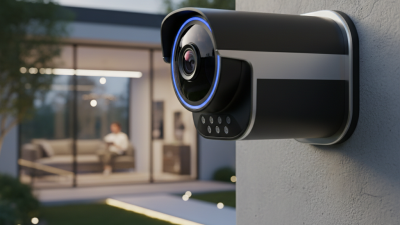
Home security systems are gaining traction too. According to recent surveys, 70% of homeowners feel safer with a surveillance camera. Many opt for smart cameras that offer remote monitoring through mobile apps. Yet, this convenience can come with risks. Unsecured networks could expose families to unwanted intrusions. Striking a balance between safety and privacy is essential in the ongoing evolution of surveillance technology.
What is a Surveillance Camera and How Does It Work? - Common Applications and Benefits of Surveillance Cameras
| Dimension |
Description |
| Type of Camera |
Dome, Bullet, PTZ, IP Cameras |
| Common Applications |
Retail Stores, Airports, Banks, Residential Areas |
| Benefits |
Crime Deterrence, Evidence Collection, Remote Monitoring |
| Video Quality |
720p, 1080p, 4K Resolution Options |
| Storage Options |
Cloud Storage, Local Storage (NVR/DVR) |
| Power Source |
PoE (Power over Ethernet), Battery Operated |
| Features |
Night Vision, Motion Detection, Two-Way Audio |